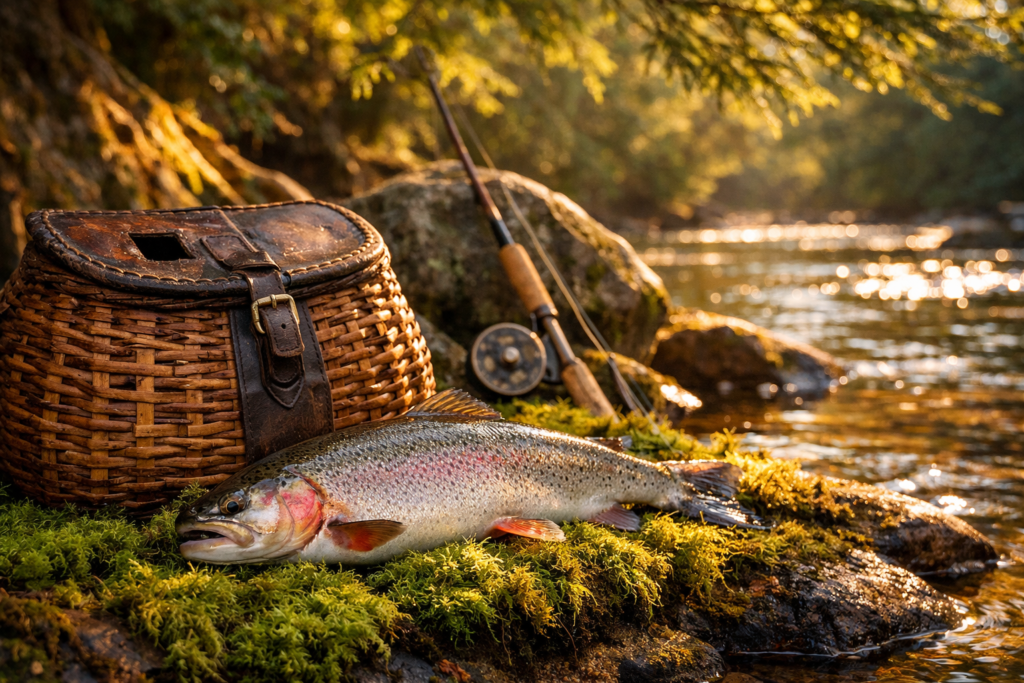
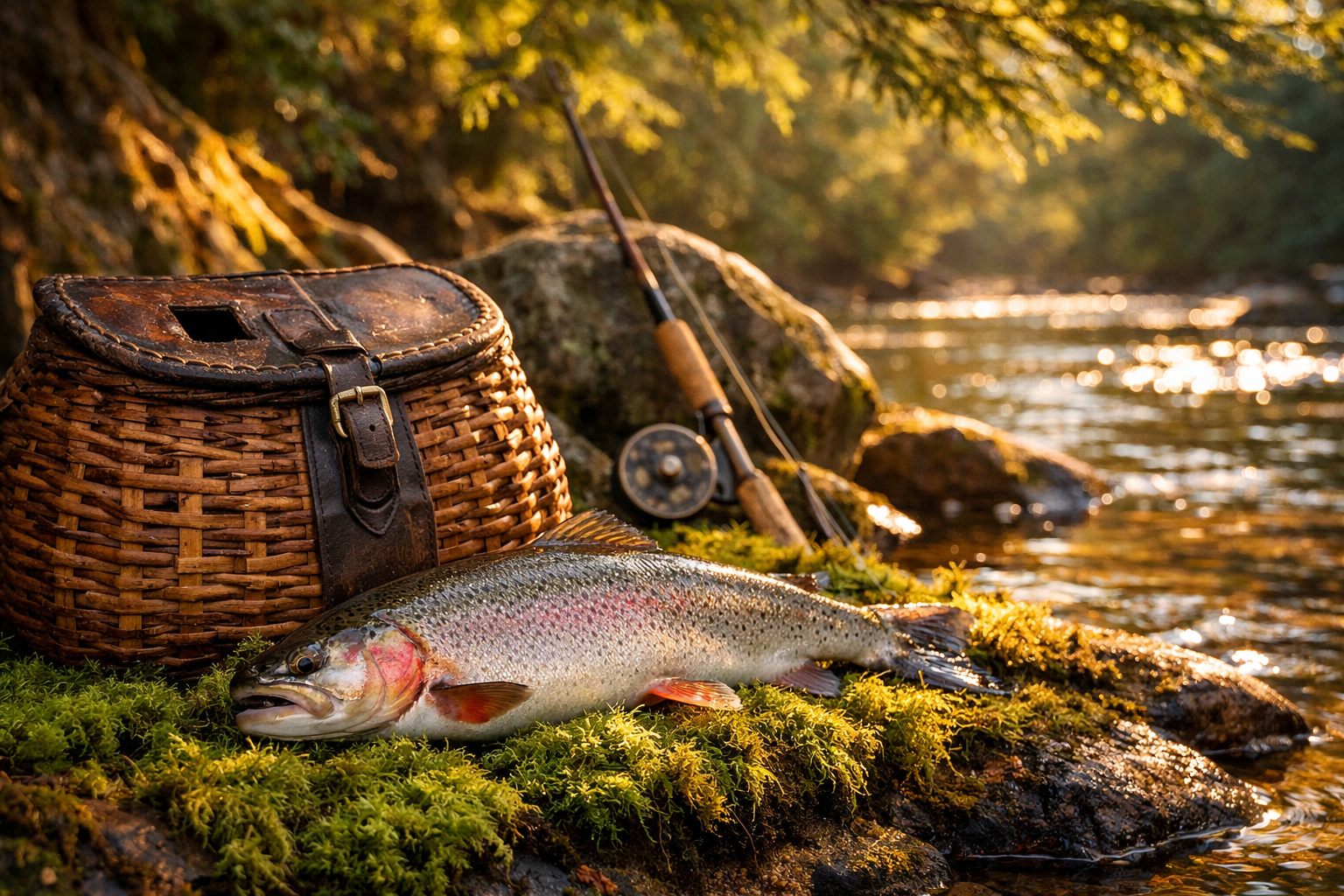
Picture this: you’re deep in the backcountry, miles from the nearest road, and you’ve just landed the biggest trout of your life. Your cooler is back at camp — empty. The sun is climbing, and you have a long hike ahead. What do you do? Knowing how to keep a fish fresh after catching without ice is the difference between a triumphant shore dinner and a spoiled, wasted catch. In 2026, anglers of every skill level face this exact challenge, and the good news is that time-tested methods — many used long before refrigeration existed — can keep your fish fresh, safe, and delicious even in the field.
Key Takeaways 🎣
- Clean and gut the fish immediately after catching — this is the single most important step.
- Keep fish alive as long as possible using stringers, live wells, or fish baskets before processing.
- Natural cooling methods like moss packing, cold water immersion, and shade storage work surprisingly well.
- Salt preservation and sun-drying are reliable backup methods for longer trips without refrigeration.
- Temperature and air exposure are your two biggest enemies — control both and your catch stays fresh.
Why Keeping Fish Fresh without Ice Matters
Fish spoils quickly — faster than almost any other protein. Bacteria multiply rapidly once a fish dies, especially in warm weather. The core challenge of preserving fish without a cooler is managing two things: heat and air exposure. [2]
“Every minute counts after a fish leaves the water. The faster you act, the better your meal will taste.”
Whether you’re on a remote kayak fishing trip, a backcountry camping adventure, or simply forgot to grab a bag of ice before heading out, understanding your options is essential. The methods below range from keeping fish alive to traditional preservation techniques used by fishing communities for generations. [4]
Step 1: The Critical First Move — Clean and Gut the Fish Immediately
Before any other method works, there is one non-negotiable rule: gut the fish as soon as possible after the catch.
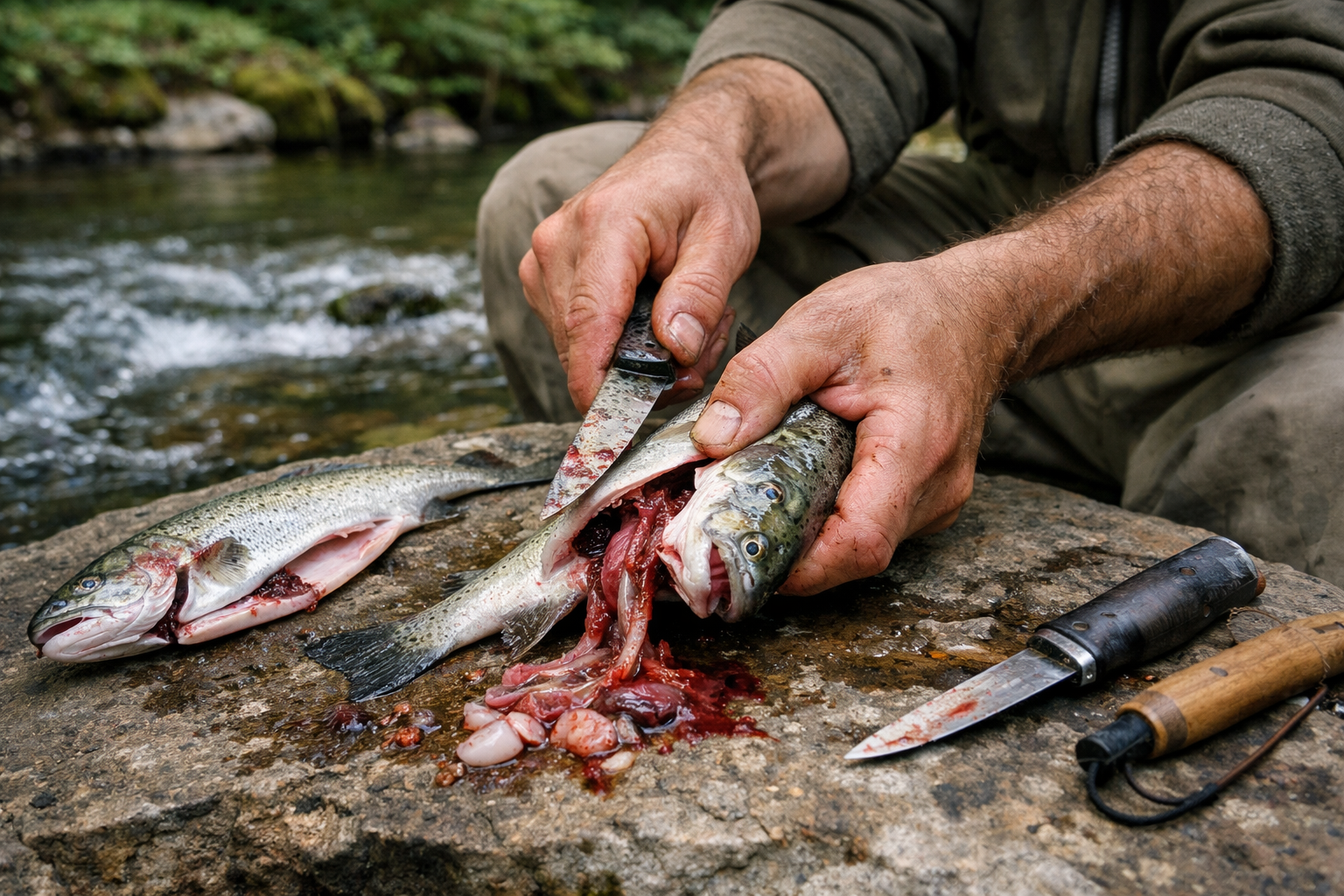
The digestive enzymes and bacteria inside a fish’s gut are the primary drivers of spoilage. When you gut the fish and remove blood and slime thoroughly, you dramatically slow decomposition. [2]
How to Clean Your Catch in the Field
- Kill the fish quickly and humanely with a sharp blow to the head.
- Gut the fish — make a clean cut from the vent to the gills and remove all organs.
- Rinse thoroughly with clean fresh water or the water from your fishing location.
- Remove the gills — they harbor bacteria and spoil fast.
- Pat dry and move immediately to your chosen storage method.
This step applies regardless of the species of fish you’ve caught. Whether it’s a lean fish like bass or a fatty fish like salmon, cleaning promptly is always the best way to keep fish quality high. [2]
The Best Ways to Keep Fish Fresh after Catching without Ice
🐟 Method 1: Keep the Fish Alive as Long as Possible
The absolute best way to keep your catch fresh is to keep it alive. A live fish is a fresh fish — it’s that simple.
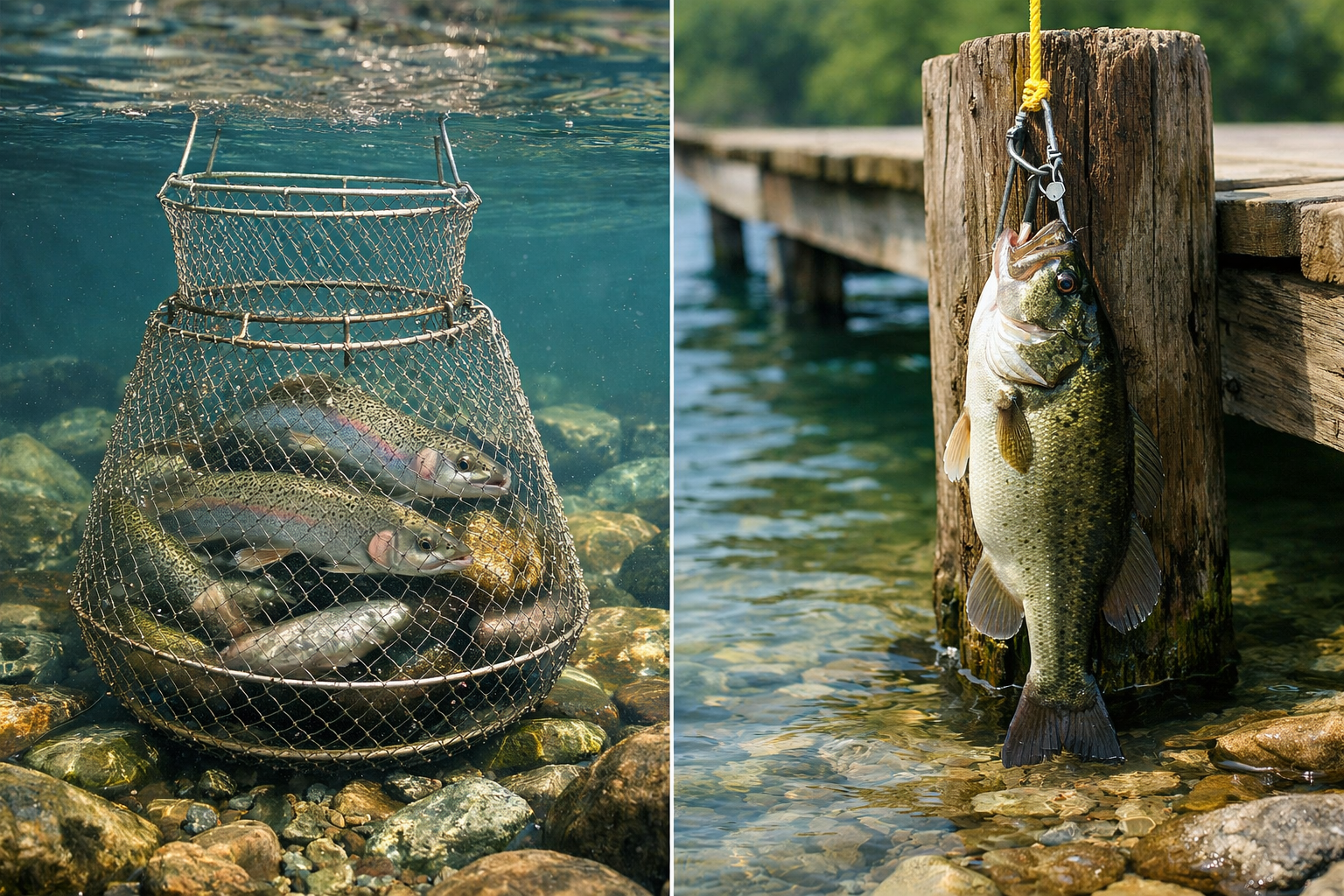
Three proven ways to keep fish alive:
| Method | Best For | How Long It Works |
|---|---|---|
| Stringer | Shore fishing, shallow water | Hours |
| Fish Basket | Wading, bank fishing | Hours to a full day |
| Live Well / Bucket | Boat fishing, kayak fishing | Hours |
The Stringer Method
Place the fish on a stringer — a long cord or wire with metal hooks — and keep it submerged in the water near the bank. This keeps the fish in its natural environment and maintains quality naturally. [2] The key is to ensure the fish has enough water depth to stay cool and oxygenated.
Fish Basket Storage
A wire or woven material basket submerged in water is one of the most effective ways to keep fish alive for extended periods. It’s a simple, low-tech solution that works beautifully for bank anglers. [2] Just make sure to keep it alive as long as possible before you’re ready to head home.
Live Well Tanks
If you’re fishing from a boat or kayak, a purpose-built live well provides oxygen and water circulation to keep fish alive and at optimal freshness. Even a large bucket with fresh water can serve as an improvised live well for small fish on a short fishing trip. [2]
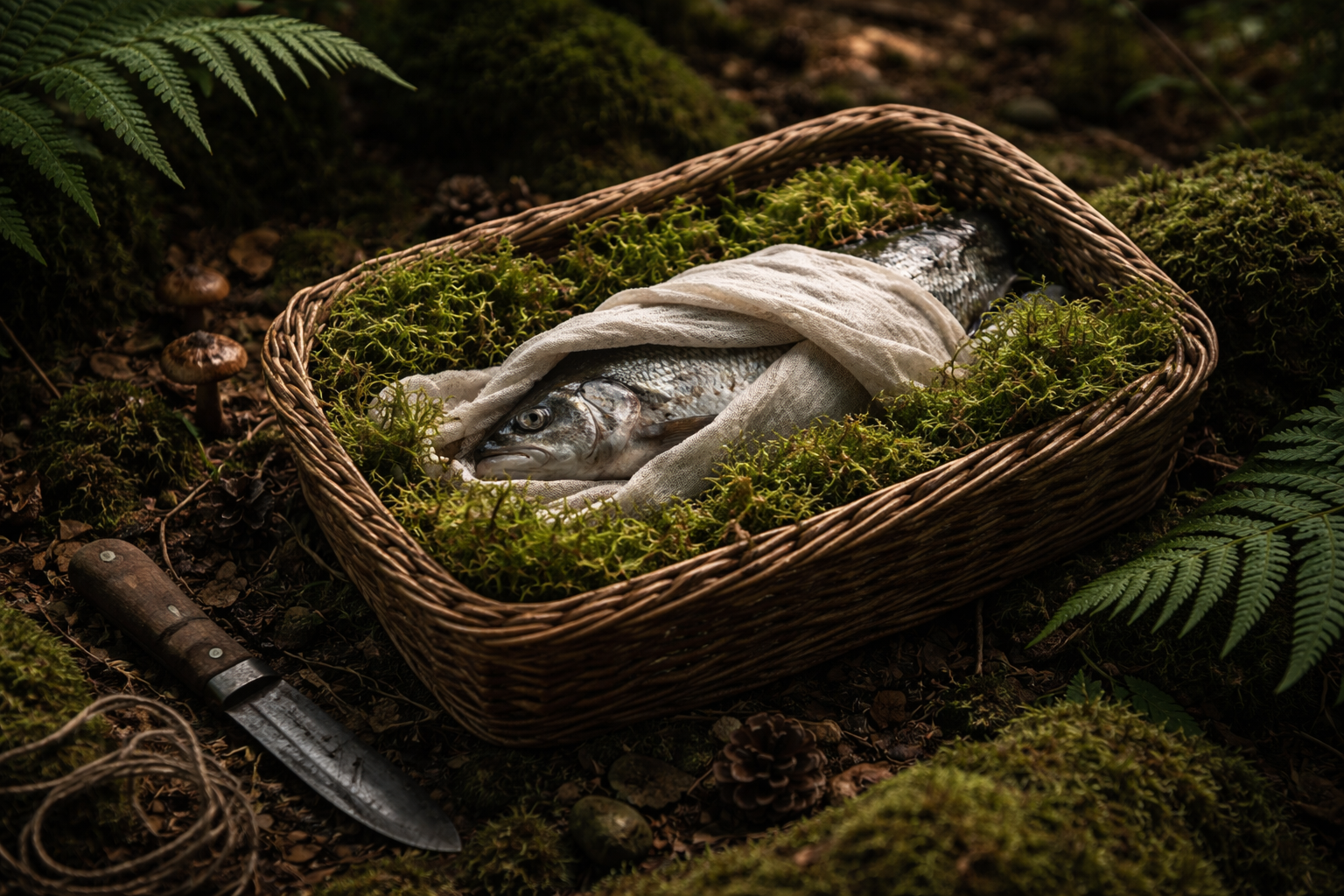
🌿 Method 2: The Moss-Based Layering Method
One of the most fascinating traditional techniques is using sphagnum moss as a natural insulator — a method documented by outdoor experts as capable of keeping fish fresh across several hundred miles of travel in hot weather. [1]
How to use the moss method:
- Clean and gut the fish completely.
- Pack cold sphagnum moss tightly into the body cavity.
- Wrap the entire fish in a thick layer of moss.
- If storing multiple fish, place a layer of moss between each fish so they don’t touch directly.
- Store the wrapped fish in the deepest shade available.
The moss acts as a natural cooler — it retains moisture and cold, surrounds the fish with a breathable barrier, and inhibits bacterial growth. This is one of the best ways to keep fish fresh without ice when you’re deep in the wilderness. [1]
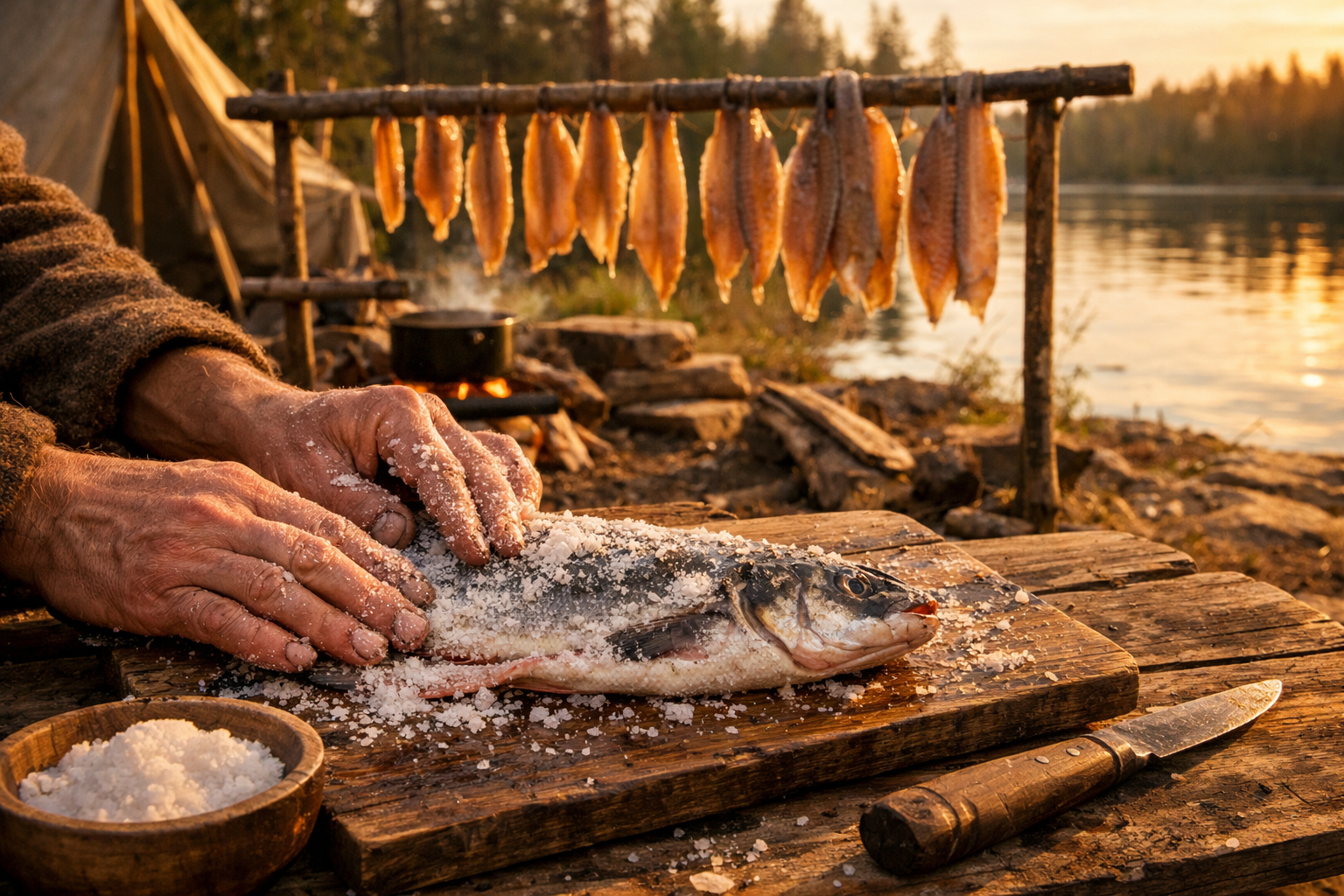
🧂 Method 3: Salt Preservation
Salt has been used to preserve fish for thousands of years, and it remains one of the most reliable methods available to anglers today.
How to salt-preserve your catch:
- Fully clean and gut the fish — remove all blood and slime.
- Apply coarse salt generously over the skin and thoroughly inside the belly cavity.
- Wrap the salted fish tightly in a damp cloth.
- Store in the coolest, shadiest spot available — away from direct sunlight.
- Rinse the fish thoroughly before cooking to remove salt residue. [2]
Salt draws moisture out of the flesh, creating an environment where bacteria struggle to survive. This method is especially effective for saltwater fish and works well for freshwater species too. It’s a reliable way to keep fish fresh without ice for a day or more in the field. [2]
💧 Method 4: Cold Water Immersion
If you have access to cold water — from a mountain stream, a spring-fed lake, or water you brought from home — cold water immersion is a highly effective short-term preservation method.
- Place the fish in a waterproof bag or sealed container.
- Submerge it in the coldest water available.
- Keep it out of sunlight and away from warm surface water.
This method directly addresses heat exposure, one of the two primary decomposition factors. [2] It works especially well in mountain environments where fresh water from streams runs cold even in summer.
☀️ Method 5: Sun-Drying (For Longer Preservation)
When you need to preserve fish for days rather than hours — think extended backcountry trips — sun-drying is a traditional technique used for generations in fishing communities worldwide. [4]
Basic sun-drying process:
- Clean, gut, and fillet the fish.
- Rub generously with salt.
- Hang or lay the fillets on a clean rack in direct sunlight with good airflow.
- Allow to dry for 1–3 days depending on thickness and humidity.
Sun-drying works best in dry, low-humidity climates. In humid environments, smoking is a more reliable option. [4]
🔥 Method 6: Smoking
Smoking is both a preservation technique and a cooking method. It works by combining heat, smoke, and salt to reduce moisture and inhibit bacterial growth. The University of Minnesota Extension recognizes smoking as one of the four most authoritative fish preservation methods alongside freezing, canning, and pickling. [3]
For field smoking, a simple improvised smoker made from green branches and a small fire can preserve fish for several days. [4]
How Long Can Fresh Fish Last without Ice?
This is the question every angler asks. The honest answer depends on temperature, species, and how quickly you acted.
| Condition | Approximate Freshness Window |
|---|---|
| Fish kept alive on stringer | Until removed from water |
| Gutted fish in cold water immersion | 6–12 hours |
| Gutted fish in shade (cool day) | 4–6 hours |
| Moss-packed fish in shade | 12–24+ hours |
| Salt-preserved fish in shade | 24–48 hours |
| Sun-dried fish (properly dried) | Several days to weeks |
⚠️ Important: When in doubt, throw it out. Fish that smells sour, has cloudy eyes, or has slimy, discolored flesh should not be eaten.
Practical Tips for Your Next Fishing Trip 🎯
Here are quick, actionable tips to help keep your catch in peak condition:
- Act fast — the first 30 minutes after catching a fish are the most critical.
- Keep fish out of direct sunlight at all times.
- Never store fish in a sealed plastic bag without ventilation unless using cold water immersion.
- Separate fish — don’t let them pile on top of each other, as heat builds up quickly.
- Bring a damp cloth or burlap sack on every trip as a backup wrapping material.
- Know your species — fatty fish like mackerel spoil faster than lean fish like bass or perch.
For more expert fishing and outdoor content, visit the Fish on Yak home page and explore our full range of resources for anglers.
Storing Fish at Home after a Trip
Once you bring your catch home, proper care of your fish continues to matter. If you’re not cooking immediately:
- Refrigerate cleaned fish at 32–38°F and use within 1–2 days.
- Freeze for longer storage — wrap the fish in plastic wrap, then in foil or a freezer bag to prevent freezer burn.
- Vacuum seal for the best freezer results — fish will keep for up to 6 months when properly sealed. [3]
The University of Minnesota Extension notes that freezing fish requires the least work of all preservation methods and is the most reliable for home storage. [3]
You can also explore our blog for more tips on making the most of your outdoor adventures and catches.
Conclusion: Keep Your Catch Fresh Every Time 🏆
Knowing how to keep a fish fresh after catching without ice is a skill that separates prepared anglers from frustrated ones. The core principles are simple: act fast, keep it cool, keep it clean, and keep it shaded. Whether you’re using a stringer in a mountain stream, packing your catch in sphagnum moss, or rubbing it down with salt before wrapping it in damp cloth, these methods have proven themselves across generations of fishing tradition.
Your action plan for your next trip:
- ✅ Always carry coarse salt and a damp cloth as backup preservation tools.
- ✅ Gut your fish immediately — don’t wait.
- ✅ Find the deepest shade available and keep fish away from direct sunlight.
- ✅ Use a stringer or fish basket to keep fish alive as long as possible.
- ✅ When you get home, refrigerate or freeze your catch right away.
Fresh fish is one of the great rewards of a day on the water. With these techniques in your toolkit, you’ll never have to waste a catch again — no ice required.
References
[1] Fishing Techniques Zmaz72jaztak – https://www.motherearthnews.com/real-food/fishing-techniques-zmaz72jaztak/ [2] How To Keep Fish Fresh Without Ice – https://myoutdoorbasecamp.com/how-to-keep-fish-fresh-without-ice/ [3] Preserving Fish Safely – https://extension.umn.edu/preserving-and-preparing/preserving-fish-safely/ [4] Best Methods For Preserving Fish In The Wilderness – https://thesurvivaltabs.com/blogs/news/best-methods-for-preserving-fish-in-the-wilderness
Fish Freshness Method Selector
🎣 Fish Freshness Method Finder
Answer 3 quick questions to find the best way to keep your catch fresh without ice.
✅ Recommended Method: