Last updated: February 21, 2026
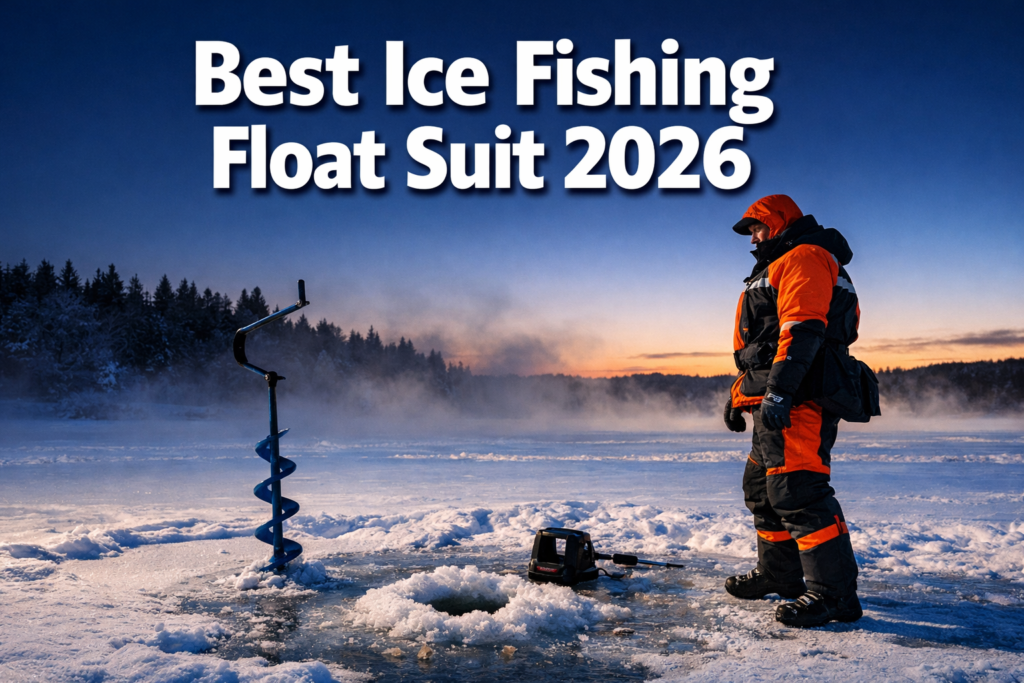
A float suit keeps you warm on the ice and keeps you alive if you fall through. The best ice fishing float suit 2026 combines built-in buoyancy, waterproof construction, and heavy insulation into one piece of gear that replaces your winter jacket, snow bibs, and backup PFD. This guide breaks down the top options, explains what separates a good float suit from a great one, and helps you pick the right setup for your budget and fishing style.
Key Takeaways:
- Float suits provide 1 to 3 hours of buoyancy if you break through the ice, but they are not U.S. Coast Guard approved PFDs.
- The Striker Climate suit leads the 2026 market for versatility, with SureFlote technology and 175g Thermadex insulation.
- Budget options like the Piscifun float suit deliver solid performance at roughly half the cost of premium models.
- Proper fit matters more than brand. A loose float suit loses insulation value and buoyancy efficiency.
- DWR (Durable Water Repellent) coatings degrade over time. Reapply them each season to maintain waterproofing and flotation properties.
Quick Answer
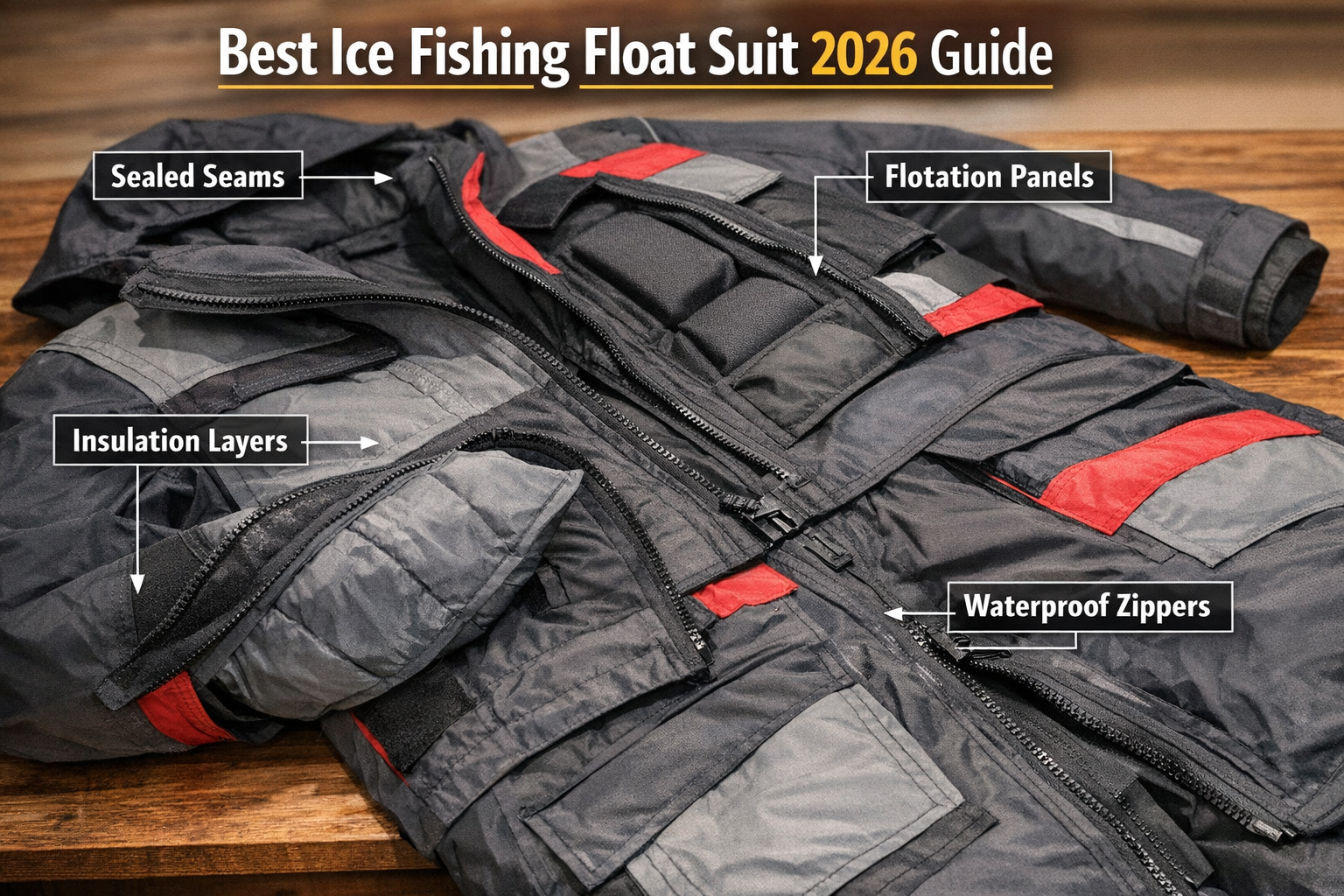
The Striker Climate jacket and bib combo is the best overall ice fishing float suit for 2026. Priced between $600 and $800, the suit features 175g Thermadex insulation, SureFlote buoyancy panels, and Hydrapore 5k/5k waterproof-breathable fabric. For anglers on a tighter budget, the Piscifun float suit ($150 to $200) offers 120g insulation and 16 pockets at a fraction of the cost, though the fit runs small and durability trails behind premium competitors.
What Is an Ice Fishing Float Suit and Why Do You Need One?
A float suit is a two-piece or one-piece outer garment with sealed foam flotation panels sewn into the lining. If you fall through the ice, these panels keep your head above water for 1 to 3 hours depending on the manufacturer and water conditions. The outer shell blocks wind and repels water. The insulation layer traps body heat in temperatures well below zero.
Here is why a float suit beats a standard winter jacket and bibs:
- Built-in buoyancy eliminates the need to wear a bulky PFD over your outerwear.
- Waterproof shells keep you dry from snow, slush, and spray.
- Insulation ratings on premium suits handle temperatures down to negative 30F or colder.
- You get one system instead of layering three or four separate garments.
Float suits are not approved by the U.S. Coast Guard as personal flotation devices. No regulatory changes have occurred on that front heading into 2026. The buoyancy they provide is classified as “buoyancy assist” or “flotation assist.” This means a float suit gives you time to self-rescue, but you should still carry ice picks and know how to kick yourself out of a hole.
For anglers who fish early ice, late ice, or any conditions where thickness is questionable, a float suit is the single most important piece of safety gear you own. Fluid Safety starts with the gear you wear before you step onto the ice.
How to Choose the Best Ice Fishing Float Suit 2026
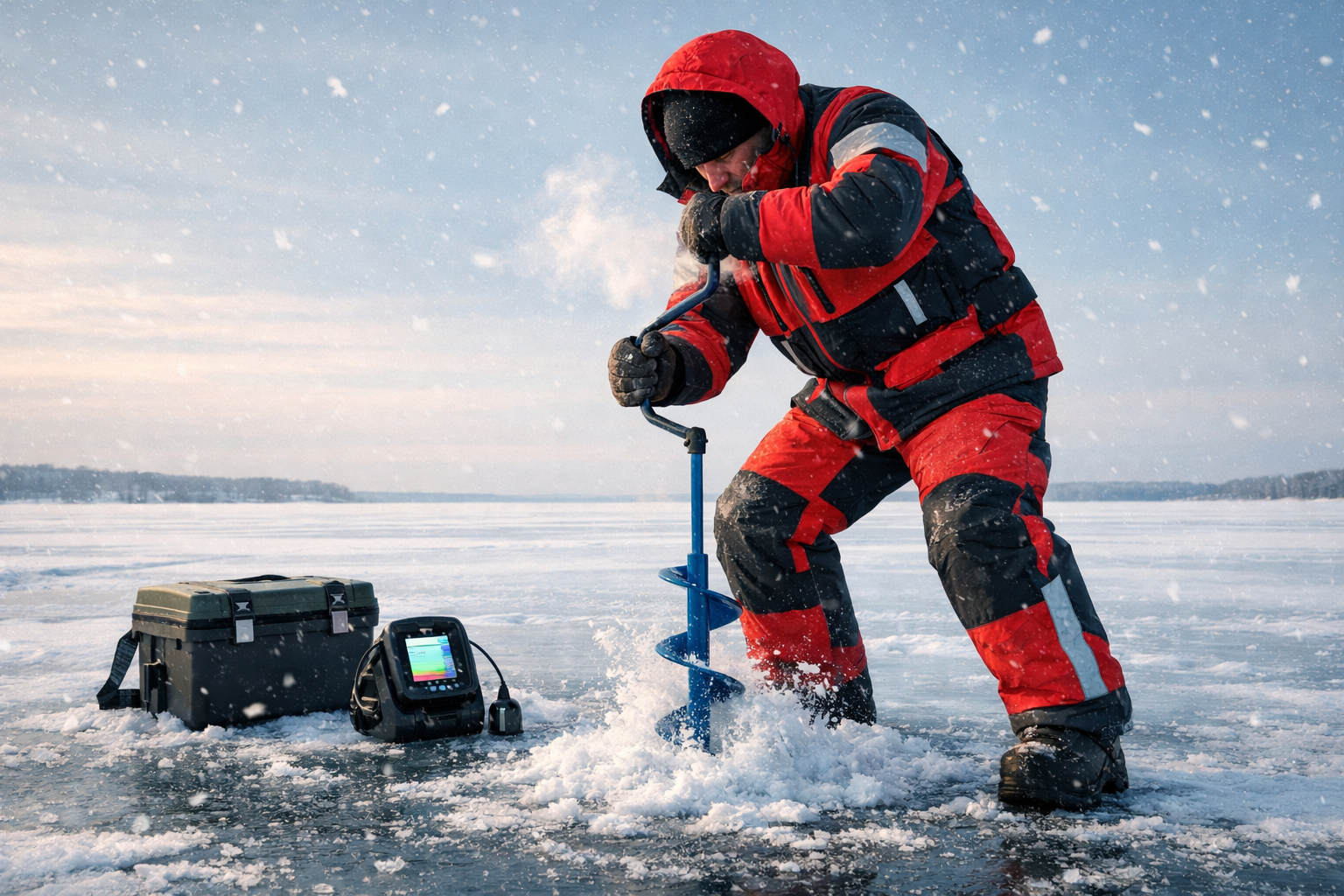
Start with three questions: What temperatures do you fish in? How mobile do you need to be? What is your budget?
Temperature rating. Match the suit’s insulation weight to your conditions. Suits with 100g to 120g insulation work for moderate cold (15F to 30F). Suits with 150g to 175g handle extreme cold (negative 10F and below). The Norfin Explorer 2 pushes this further with a rating down to negative 45F thanks to optional heat elements.
Mobility. A one-piece suit restricts movement more than a two-piece jacket-and-bib combo. If you drill holes, set tip-ups, and move between spots frequently, choose a two-piece. The StrikeMaster Surface suit ($350 to $450) is built specifically for mobile anglers who prioritize range of motion.
Budget. Premium suits ($500 to $800) use YKK zippers, reinforced shells (300D to 600D fabric), and advanced flotation systems. Budget suits ($150 to $250) deliver adequate warmth and basic buoyancy but sacrifice zipper quality, shell durability, and long-term waterproofing.
Common mistake: Buying a float suit based on your normal clothing size. Float suits are designed to fit over base layers and mid layers. Most run large. Some budget models (like the Piscifun) run small. Always check the manufacturer’s sizing chart and measure your chest, waist, and inseam before ordering.
Choose the Striker Climate if you fish in varied conditions and want a suit that doubles for rain gear, hunting, or general cold-weather use. Choose the Eskimo Roughneck if you fish in rough terrain and need a suit that resists abrasion from sled hauling and shelter setup.
Best Ice Fishing Float Suits for 2026: Top Picks Compared
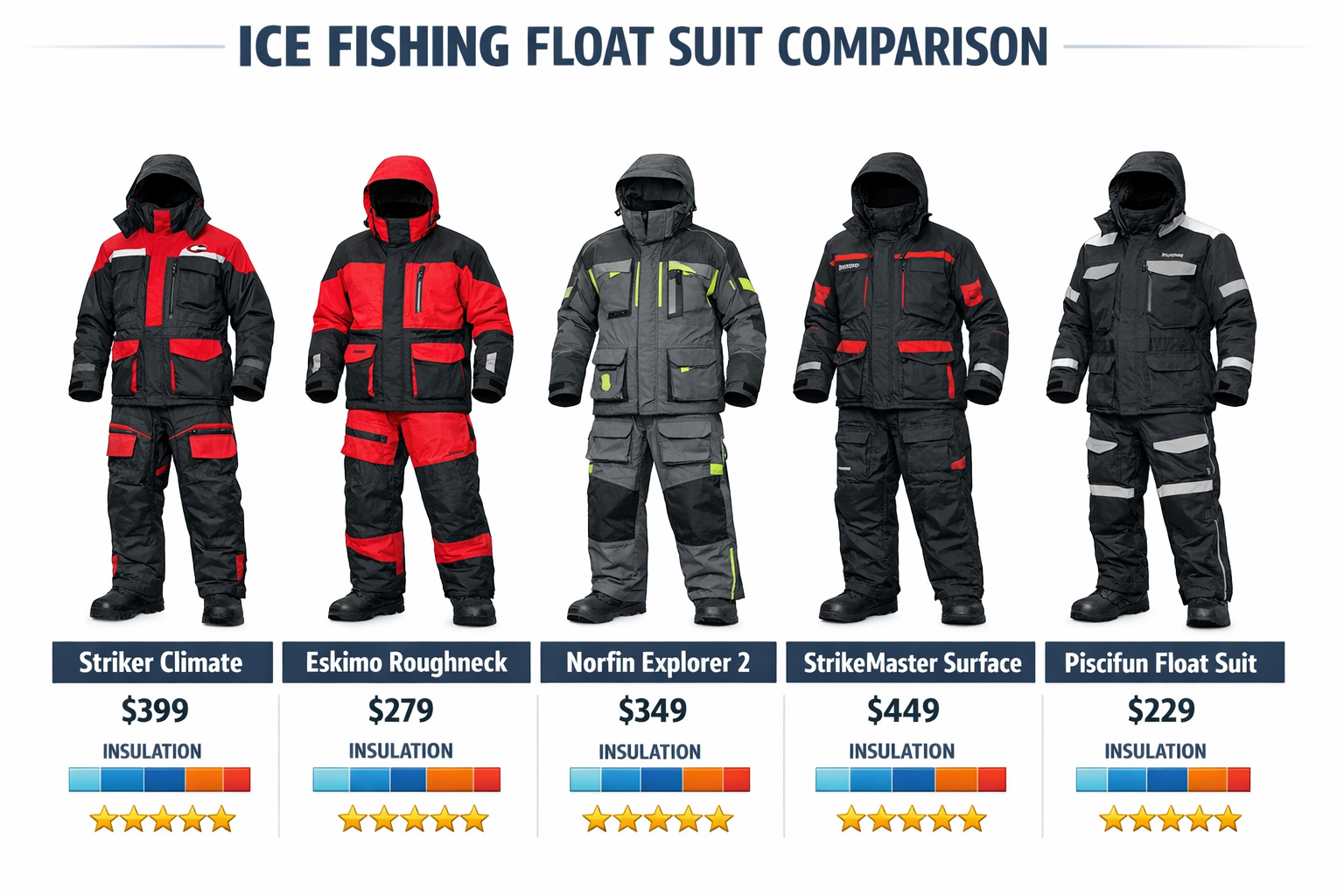
Here is a breakdown of the top five float suits available for the 2026 ice season.
| Feature | Striker Climate | Eskimo Roughneck | Norfin Explorer 2 | StrikeMaster Surface | Piscifun Float Suit |
|---|---|---|---|---|---|
| Price Range | $600 to $800 | $400 to $500 | $500 to $700 | $350 to $450 | $150 to $200 |
| Insulation | 175g Thermadex | 150g poly fill | 200g+ with heat elements | 100g poly fill | 120g poly fill |
| Flotation System | SureFlote | Uplyft | Integrated foam | SOS (2-hour rated) | Basic foam panels |
| Shell Fabric | 300D Hydrapore | 600D ripstop | 300D nylon | 200D nylon | 300D polyester |
| Waterproof Rating | 5k/5k | 5k/5k | 5k/5k | 5k/5k | 3k/3k |
| Sizing | S to 3XL (runs small) | M to 3XL | S to 3XL | S to 3XL | S to 4XL (runs small) |
| Best For | All-conditions versatility | Durability and rough use | Extreme cold | Mobile anglers | Budget-conscious buyers |
Striker Climate (Best Overall)
The Striker Climate earns the top spot for 2026 because of its 4-in-1 design. Use the jacket and bibs together for ice fishing. Wear the jacket alone as a rain shell in warmer months. The 175g Thermadex insulation handles bitter cold without excessive bulk. SureFlote panels provide reliable buoyancy. The Hydrapore membrane offers 5,000mm waterproofing and 5,000g breathability. Outdoor Life’s 2026 review rated this suit as the best overall flotation suit for versatility. The downside: the price tag is steep, and the sizing runs small. Order one size up from your normal.
Eskimo Roughneck (Most Durable)
The Roughneck uses a 600D shell fabric, which is twice as thick as most competitors. Tester Ty Macheledt noted the thick knee pads feel like football pants, providing serious protection when kneeling on the ice. The Uplyft flotation system distributes buoyancy evenly. Sherpa fleece lining adds warmth without weight. This suit handles temperatures down to about 5F comfortably. Choose the Roughneck if you drag sleds, set up hub shelters, and put your gear through hard use.
Norfin Explorer 2 (Warmest)
NAIFC competitor Shawn Bjonfald tested the Norfin Explorer 2 and called the suit the warmest flotation option on the market. Rated to negative 45F with optional heat elements, the Explorer 2 targets anglers who fish in the coldest conditions across the upper Midwest and Canada. The suit is lighter than expected for its warmth rating, and the pocket layout works well for mobile anglers who carry tackle on their person.
StrikeMaster Surface (Best for Mobility)
The Surface suit prioritizes freedom of movement. The 100g insulation is lighter than competitors, so you will want heavier base layers in extreme cold. The SOS flotation system provides an estimated 2 hours of buoyancy. At $350 to $450, the Surface sits in the mid-range price bracket and works well for run-and-gun anglers who cover a lot of ice.
Piscifun Float Suit (Best Budget)
The Piscifun delivers surprising value at $150 to $200. The suit includes 120g insulation, 16 pockets, and basic foam flotation panels. The 3k/3k waterproof-breathable rating is lower than premium options, so prolonged exposure to wet conditions will eventually soak through. The fit runs small. Order one to two sizes up. For anglers testing whether a float suit fits their fishing style before investing $600 or more, the Piscifun is a solid entry point.
What Makes a Float Suit Different from a Regular Ice Fishing Suit?
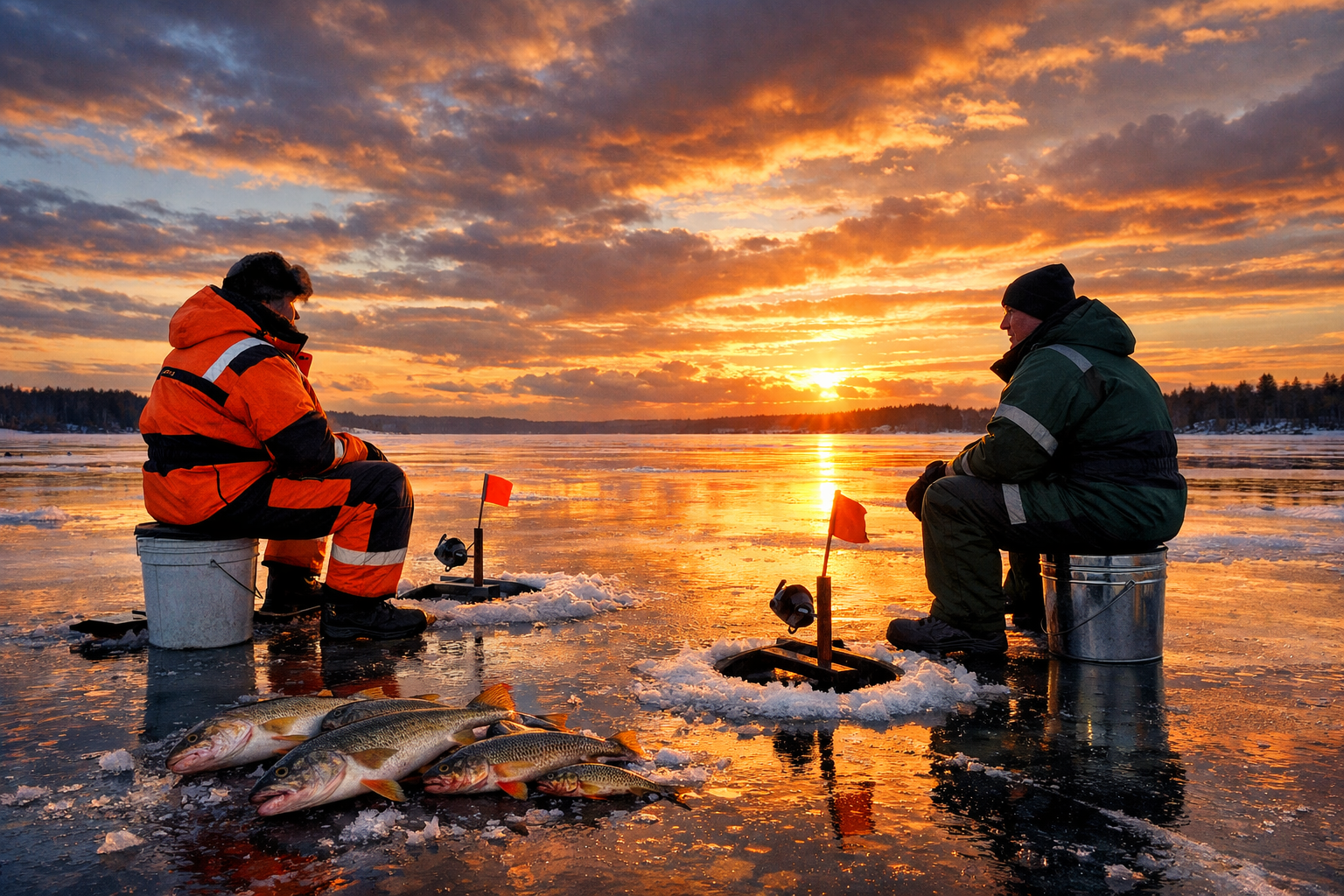
The core difference is buoyancy. A standard ice fishing suit keeps you warm and dry. A float suit does the same while adding sealed foam panels that keep you afloat if you go through the ice.
Flotation panels. These are closed-cell foam inserts sealed inside the suit’s lining. They displace water and keep your upper body above the surface. Different manufacturers use different foam densities and panel placements. Striker’s SureFlote system, for example, positions panels to keep your head and chest elevated, which helps maintain an open airway.
Sealed seams. Float suits use taped or welded seams to prevent water from entering through stitch holes. Regular ice suits often have standard stitched seams that allow water penetration under submersion.
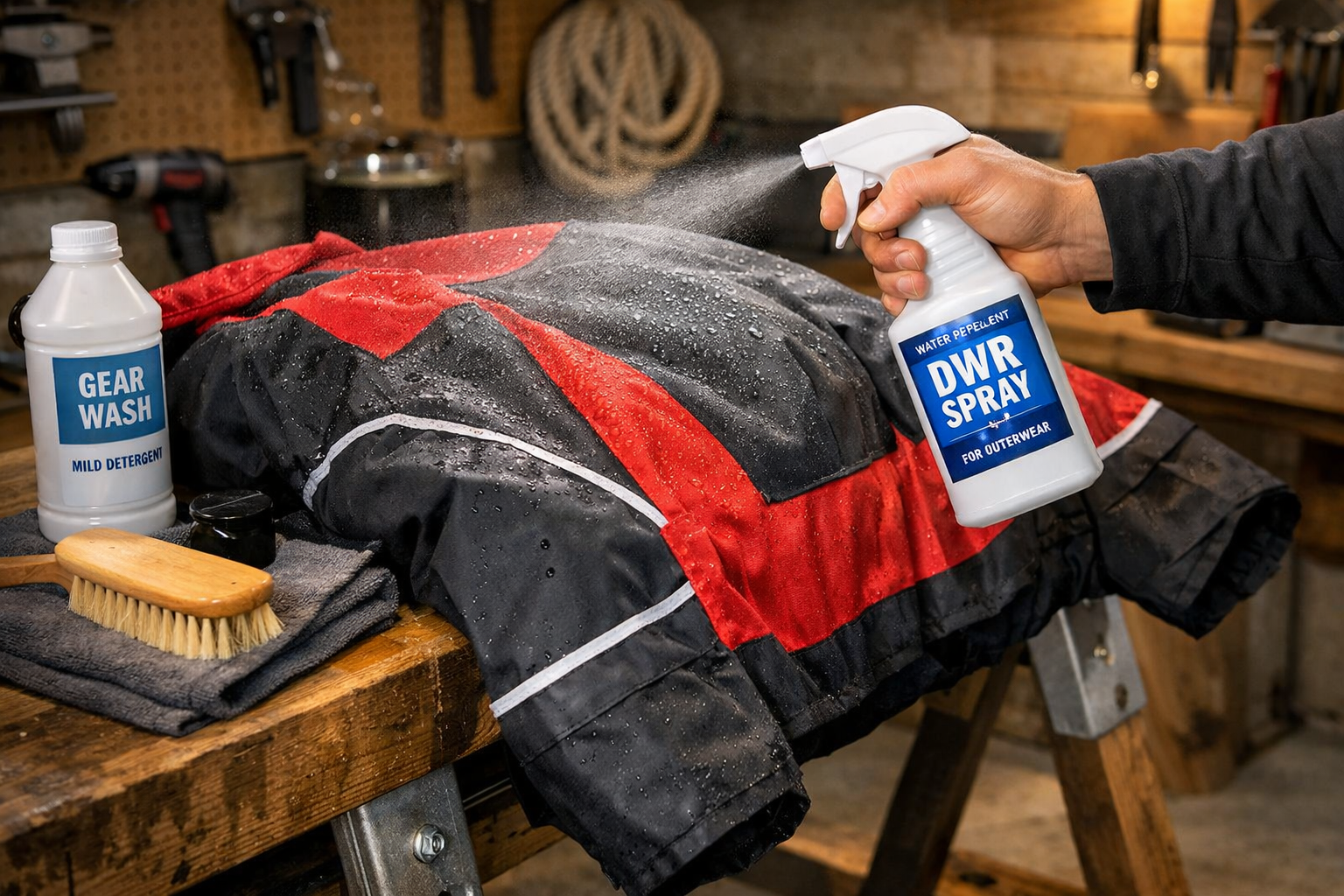
Shell treatment. Float suits feature DWR coatings on the outer shell to repel water on contact. This coating prevents the shell fabric from absorbing water, which would add weight and reduce buoyancy. WindRider published a guide on February 4, 2026, covering how to restore DWR waterproofing in float suits to maintain their flotation properties over time.
Who does not need a float suit? If you fish exclusively inside a permanent ice house on a well-established lake with 18 or more inches of ice, a float suit adds cost and bulk you might not need. But if you walk any distance on the ice, fish early or late season, or fish unfamiliar bodies of water, a float suit is a smart investment.
Guide Mark Martin has stated that float suits enable longer outings and more fish, calling the safety aspect a bonus on top of premium apparel performance. When your gear keeps you warm enough to stay out longer, you catch more fish. That is the practical argument beyond safety.
Explore more resources for your fishing setup at the FishOnYak.com homepage and check the blog for seasonal gear updates.
How to Maintain Your Float Suit for Maximum Lifespan
A float suit is a significant investment. Proper care extends the life of the waterproofing, insulation, and flotation panels by several seasons.
Step-by-step care process:
- After each outing, hang the suit in a well-ventilated area to air dry. Do not use a clothes dryer unless the manufacturer’s tag specifically allows tumble drying on low heat.
- Brush off dried mud, salt, or fish slime with a soft-bristle brush once the suit is dry.
- Wash the suit once or twice per season using a mild detergent (no fabric softener). Fabric softener degrades DWR coatings. Hand wash or use a front-loading machine on a gentle cycle.
- Reapply DWR spray at the start of each ice season. Spray the outer shell evenly, let the suit dry, then apply a second coat to high-wear areas like the knees, seat, and forearms.
- Inspect all zippers before the season. Clean zipper tracks with a toothbrush and apply zipper lubricant. YKK zippers on premium suits hold up longer, but all zippers benefit from annual maintenance.
- Store the suit flat or on a wide hanger in a cool, dry space. Avoid compressing the flotation panels for extended periods, as this reduces their buoyancy over time.
Common mistake: Storing a float suit in a damp garage or shed over the summer. Mildew degrades the DWR coating and breaks down sealed seams. If your storage area is humid, place the suit in a breathable garment bag with a moisture absorber packet.
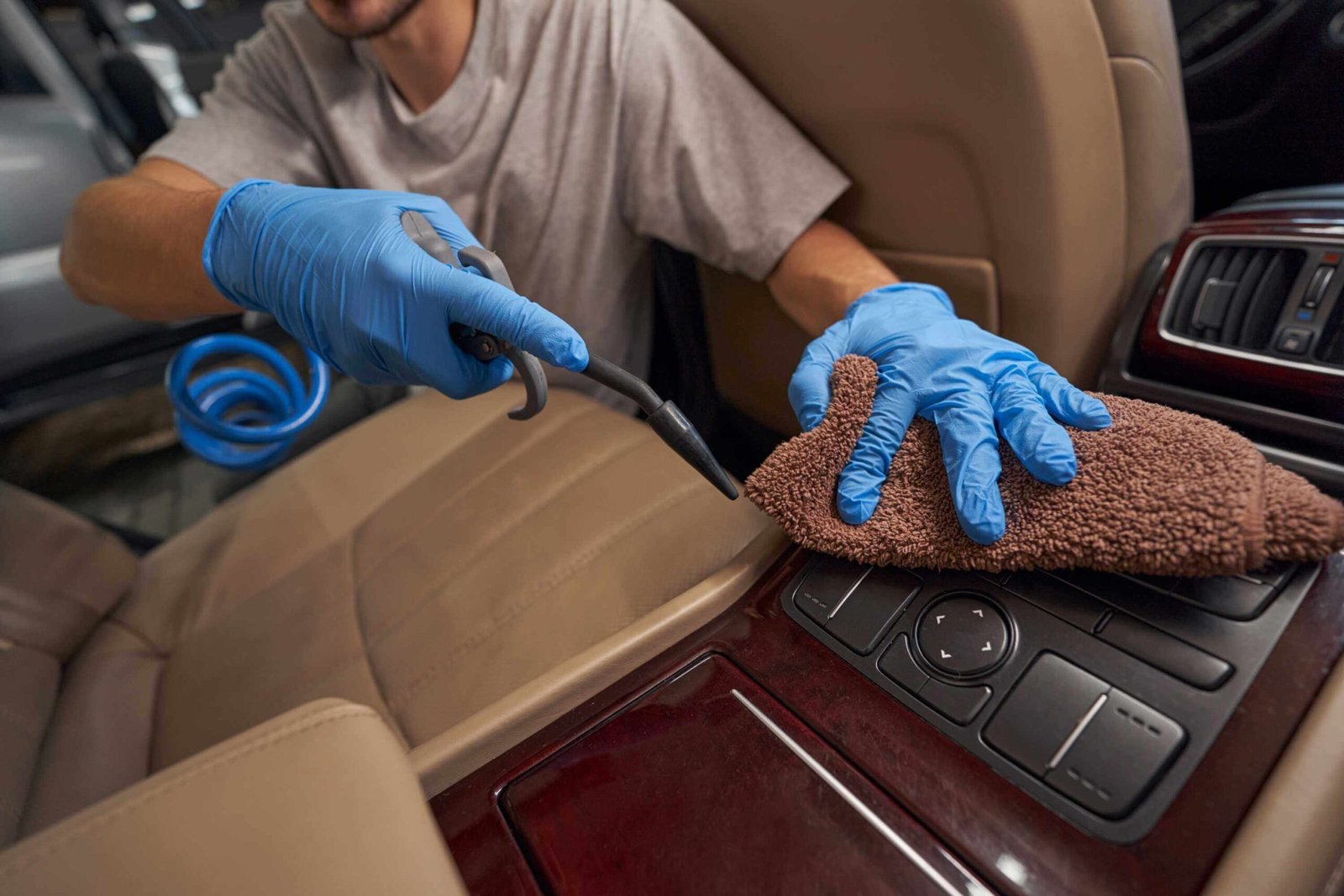
If you are the type of angler who takes pride in maintaining your gear, this kind of hands-on care is second nature. The same attention you give to cleaning and protecting your vehicle applies to your fishing apparel. Treat your float suit like the safety equipment that keeps you alive, because that is exactly what the suit does.
Float Suit Safety: What You Need to Know Before Hitting the Ice
A float suit buys you time. That is the honest framing. The suit does not guarantee survival in a cold-water immersion event. Your ability to self-rescue determines the outcome.
Carry ice picks. Wear retractable ice picks around your neck every time you step on the ice. If you go through, dig the picks into solid ice and kick your legs to propel yourself onto the surface. Your float suit keeps your head above water while you perform this maneuver.
Practice self-rescue. Before the season starts, watch instructional videos on ice self-rescue techniques. Know how to roll onto the ice surface and distribute your weight to avoid breaking through again.
Fish with a partner. A float suit helps you survive alone, but a fishing partner with a throw rope reduces your rescue time from minutes to seconds.
Check ice thickness. Four inches of clear ice supports a person on foot. Five to seven inches supports a snowmobile or ATV. Use an ice chisel or auger to test thickness as you walk. Never trust ice near current, inlets, outlets, or pressure ridges.
Understand cold shock. When you hit cold water, your body gasps involuntarily. A float suit keeps your face above the surface during this critical first 30 seconds. Without buoyancy, cold shock causes many drownings before hypothermia even becomes a factor.
Fluid Safety is a core principle at FishOnYak.com. Whether you fish saltwater from a kayak or hardwater from a bucket, preparation and the right gear keep you fishing season after season. Kayak. Drill. Catch. Repeat.
Premium vs. Budget Float Suits: Is the Extra Cost Worth the Investment?
For most serious ice anglers, yes. The extra cost buys better waterproofing, stronger zippers, more durable shell fabric, and more reliable flotation systems.
Here is a direct comparison:
| Category | Premium (Striker Climate) | Budget (Piscifun) |
|---|---|---|
| Price | $600 to $800 | $150 to $200 |
| Zippers | YKK waterproof | Generic |
| Shell Durability | 300D Hydrapore | 300D polyester |
| Waterproof Rating | 5k/5k | 3k/3k |
| Insulation | 175g Thermadex | 120g poly fill |
| Flotation | SureFlote (tested) | Basic foam panels |
| Versatility | 4-in-1 use | Ice fishing only |
| Expected Lifespan | 5 to 8 seasons | 2 to 4 seasons |
Choose premium if: You fish 20 or more days per season, fish in extreme cold (below 0F), or need a suit that doubles for other outdoor activities. The per-season cost of a $700 suit over 6 seasons is about $117 per year.
Choose budget if: You fish fewer than 10 days per season, fish in moderate cold (15F to 30F), or want to test whether a float suit fits your style before committing to a higher price point. The Piscifun at $175 over 3 seasons costs about $58 per year.
The Ice Runner Winter Float Suit, released in December 2025 with updated colors and sizing from S to 4XL, sits in the mid-range at roughly $250 to $350. The suit features 100g poly fiberfill insulation and buoyancy assist. This makes the Ice Runner a solid middle-ground option for anglers who want better build quality than the Piscifun without the full investment of the Striker Climate.
For more content strategy and gear insights, visit the FishOnYak.com services page and the coming soon page for upcoming guides.
Frequently Asked Questions
Are ice fishing float suits Coast Guard approved? No. As of 2026, no ice fishing float suit carries U.S. Coast Guard approval as a personal flotation device. They provide buoyancy assist rated at 1 to 3 hours depending on the manufacturer. Always carry ice picks and a throw rope as backup safety equipment.
How long will a float suit keep you afloat? Most manufacturers rate their float suits for 1 to 3 hours of buoyancy in calm water. Real-world conditions (current, waves, panic, heavy boots) reduce this time. The StrikeMaster Surface SOS system is rated for approximately 2 hours.
Do float suits replace a life jacket? No. A float suit provides buoyancy assist, not full PFD-level flotation. If you are crossing open water by boat to reach your ice fishing spot, wear an approved life jacket over or instead of your float suit.
What temperature rating should I look for? Match the insulation to your fishing conditions. For moderate cold (15F to 30F), 100g to 120g insulation works. For extreme cold (below 0F), look for 150g or higher. The Norfin Explorer 2 handles temperatures down to negative 45F with optional heat elements.
How do I know if my float suit fits correctly? Wear your normal base layers and mid layers, then try the suit on. You should have full range of motion in your arms and legs without excess fabric bunching. The suit should feel snug around the torso without restricting your breathing. Excess room around the midsection reduces insulation efficiency and allows cold air to circulate.
How often should I reapply DWR coating? Reapply DWR spray at the start of each ice season. If you fish more than 30 days per season or frequently kneel and sit on the ice, apply a mid-season touch-up to high-wear areas.
Are one-piece or two-piece float suits better? Two-piece suits (jacket and bibs) offer more versatility. You wear the bibs alone in milder conditions or the jacket as a standalone rain shell. One-piece suits provide a more continuous seal against water entry but limit layering flexibility.
What is the best float suit for big and tall anglers? The Ice Runner Winter Float Suit offers sizing up to 4XL. The Piscifun also runs up to 4XL, though the fit runs small, so check measurements carefully. The Eskimo Roughneck and Striker Climate top out at 3XL.
Do float suits work for kayak fishing in cold water? A float suit provides an extra layer of buoyancy and insulation for cold-water kayak fishing. However, a float suit does not replace a proper PFD approved for paddling. For kayak-specific safety gear, visit the FishOnYak.com about page for expert guidance on rigging and safety.
How do I wash my float suit without damaging the flotation? Use a mild detergent with no fabric softener. Hand wash or use a front-loading washer on a gentle cycle. Avoid top-loading agitator machines, which stress sealed seams and flotation panels. Air dry the suit completely before storage.
Key Takeaways for Choosing the Best Ice Fishing Float Suit 2026
- The Striker Climate jacket and bib combo is the best overall float suit for 2026, offering 175g insulation, SureFlote buoyancy, and 4-in-1 versatility.
- The Eskimo Roughneck leads in durability with its 600D shell, making the suit ideal for anglers who put gear through hard use.
- The Norfin Explorer 2 is the warmest option on the market, rated to negative 45F with heat elements.
- The StrikeMaster Surface prioritizes mobility for run-and-gun ice anglers.
- The Piscifun float suit offers the best entry-level value at $150 to $200.
- Float suits are not Coast Guard approved PFDs. Always carry ice picks and a throw rope.
- Reapply DWR coating every season to maintain waterproofing and flotation performance.
- Fit matters more than brand. Measure yourself and check the manufacturer’s sizing chart before ordering.
- Store your suit flat in a cool, dry space to preserve flotation panel integrity.
- A float suit keeps you warm enough to fish longer and keeps you alive if the ice gives way. Both outcomes put more fish on the ice.
See you on the water.